

01 · PREPARE
We start with the home itself. What should we change, improve, simplify or leave alone? The goal isn't to spend money unnecessarily. It's to understand which decisions can improve how buyers experience the property.
Selling a home is a series of decisions, and the decisions made before your home ever reaches the market can have the greatest impact.
My role is to help you understand those decisions, prepare thoughtfully, and create a strategy around your home, your timing, and the market you're entering.
From preparation and pricing to marketing, negotiation and closing, every part of the process should work together with intention.
.JPG)
I don't believe the best way to sell a home is to take photographs on Tuesday and put it in MLS on Wednesday.
Before we launch, we need time to understand the property, identify what will matter to buyers, make thoughtful preparation and staging decisions, study the competition, establish our pricing strategy, and build the marketing around the home.
Once photography and video are complete, I typically allow about a week before going live. That gives us time to prepare the property marketing properly rather than creating it while the home is already accumulating days on market.
When your home enters the market, we are ready.
We start with the home itself. What should we change, improve, simplify or leave alone? The goal isn't to spend money unnecessarily. It's to understand which decisions can improve how buyers experience the property.
We look at the market, the competition and the likely buyer for your home. Then we determine how the property should be presented and priced to create the strongest possible position.
Photography, video, property storytelling and marketing are prepared before we go live so your home enters the market as a finished presentation, not a work in progress.
Once we're live, we pay attention. Showing activity, feedback, competing listings and buyer response give us information. I help you understand what that information means and whether our strategy should change.
An offer is more than a purchase price. We evaluate the entire proposal, including terms, financing, due diligence, timing, concessions and risk, so you can make an informed decision.
From contract to closing, I stay engaged in the details, deadlines and decisions necessary to keep the transaction moving forward.
When your home first enters the market, it has something it won't have again: newness.
Buyers who have been watching the market see it. Agents notice it. Showing activity begins to give us information. And very quickly, the market starts forming an opinion about the property and its price.
I think of the first 10–12 days as an important window to build momentum. That doesn't mean every home should sell within 10–12 days. Every property, price point and market is different.
It means I don't want to spend those first days figuring out our strategy.
By the time we launch, the preparation should be complete, the marketing should be ready, the pricing should be intentional, and we should know how we want your home positioned against the competition.
We don't get a second chance to be the new listing.
Putting a home into MLS makes it available for sale. Positioning it gives buyers a reason to notice it.
Every home has something that makes it different. Sometimes it's obvious: architecture, a beautiful renovation, an exceptional lot or a sought-after location. Sometimes the value is found in the way the home lives: a quiet backyard, flexible spaces, a first-floor primary suite, walkability, privacy or the way the kitchen opens to the family room.
Part of my job is identifying what matters about your property and making sure those qualities aren't lost in a list of features.
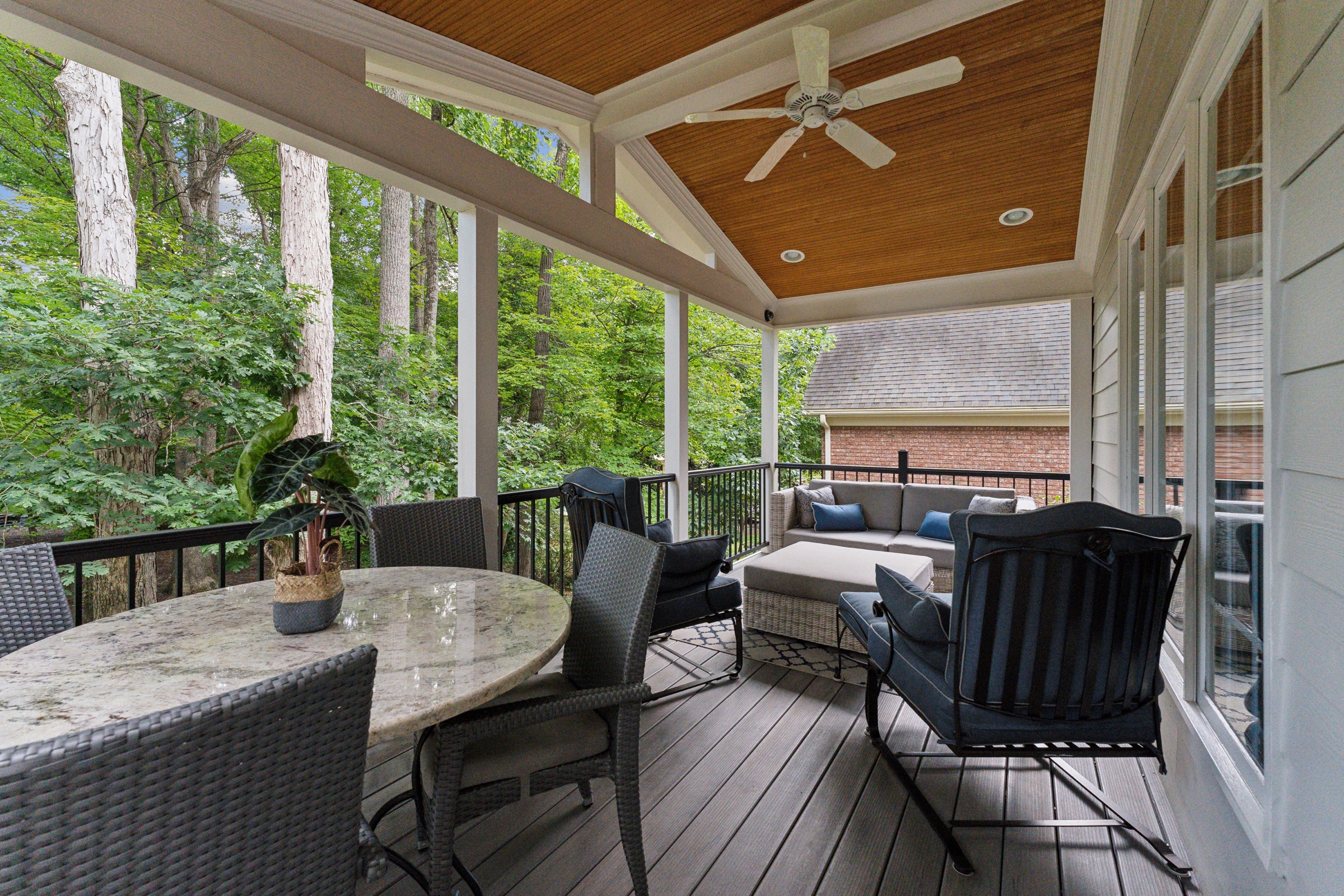
What makes this home compelling, and who is most likely to appreciate it?
What should we edit, stage, repair or highlight so buyers experience the home at its best?
Photography, video, property descriptions and marketing materials should tell one cohesive story.
Everything is prepared before the home reaches the market so buyers encounter a complete presentation from day one.
Your home doesn't need more marketing. It needs the right marketing.
Pricing isn't simply finding three comparable sales and choosing a number.
We need to understand what has sold, but we also need to understand what your home will be competing against when it enters the market.
That means looking at recent sales, current inventory, condition, location, improvements, price ranges, buyer activity and what is happening in your particular segment of the market.
Then we make a strategic decision.
The asking price affects which buyers discover your home, which properties they compare it with, how they perceive its value and how urgently they feel they need to act.
Price too aggressively and buyers may decide the home isn't competitive before ever seeing it. Price without understanding the market and we may spend valuable time reacting instead of leading.
The goal isn't to choose the highest price we can justify. It's to choose the price that gives your home the strongest position in the market.
Once your home is on the market, the strategy doesn't stop. Now we begin receiving information.
Showings, buyer questions, agent feedback, online activity, competing listings, new inventory and offers all tell us something about how the market is responding.
My job is not simply to collect that information and pass it along. My job is to help you understand what it means.
Are buyers finding the home? Are we generating the level of showing activity we expected for this property and price point?
Are we hearing the same comments repeatedly? One opinion may not mean much. A pattern deserves our attention.
The market continues moving after we list. New homes come on, competing properties adjust their prices, and others go under contract. Our strategy needs to account for those changes.
Each week, I show you the activity and exposure we're seeing, the feedback we're receiving and what's changing around us. You shouldn't have to wonder what is being done to market your home or how buyers are responding.
Sometimes the information tells us to stay the course. Sometimes it points to a change in presentation, marketing or positioning. And sometimes it tells us we need to revisit price.
My responsibility is to show you the work, share the information openly, and give you the context you need to make the right decision about your home.
Getting an offer is exciting, but the highest number on the page isn't necessarily the strongest offer.
In North Carolina, there are several pieces of an offer that can materially affect a seller's outcome. We need to understand the entire proposal before deciding how to respond.
What is the buyer offering, and how does it compare with our expectations and other interest in the property?
How much money is the buyer putting at risk, and what does that tell us about the strength of the offer?
Is the buyer paying cash or financing the purchase? What type of financing are they using, and are there circumstances that could affect the transaction?
Due diligence dates, closing dates, possession and your own moving plans can make certain terms particularly important.
Closing costs, personal property, repairs and other requested terms can change the actual value and risk of an offer.
Negotiation isn't about winning one point. It's about understanding which terms matter most and protecting the outcome that matters to you.
Once we're under contract, my role continues. There are inspections, repair conversations, appraisal and financing milestones, deadlines, closing coordination and sometimes unexpected issues that need to be worked through.
My job is to keep you informed, anticipate what comes next and help move the transaction from contract to closing.
“Michelle went above and beyond to help me prepare to put my house on the market. She did a fantastic job staging it! Perhaps most importantly, she gave me the information and advice I needed to price my house competitively - ensuring a quick sale over asking price!”
Your home's value isn't determined by a single comparable sale or an online estimate. I look at recent sales, current competition, location, condition, improvements, buyer activity and how your home compares with the choices buyers have right now.
Just as important, I consider how we would position the property if we brought it to market. Two similar homes can perform very differently depending on preparation, presentation, timing and pricing.
A thoughtful market analysis should help you understand not just a number, but where your home fits in today's market and why.
If you're considering selling and would like to understand your home's position in the market, we can start there.
Schedule a Home Value Conversation →The more time we have, the better. You don't need to wait until you've made the final decision to sell.
If you've heard that a job transfer may be coming, you're considering a move, or you're simply beginning to think about what comes next, that's a good time to start the conversation.
Planning early gives us time to evaluate the home, decide what is worth doing before you sell, prepare the marketing properly, and think through timing alongside your next move.
Waiting until you have to move can create unnecessary pressure. If you suddenly need to be in another city within 30–60 days, for example, we may have less flexibility to prepare and market your home thoughtfully, and you could find yourself carrying the expense of a home you no longer live in.
You don't need to be ready to sell to start planning for a sale.
That depends on the home.
I don't begin with a predetermined checklist of renovations. I begin by walking through the property and looking at it through a buyer's eyes. We consider condition, maintenance, presentation, furnishings, paint, lighting, curb appeal and anything that could distract buyers from what is otherwise a great home.
From there, we prioritize.
Some homes benefit from repairs, fresh paint or professional staging. Others may simply need editing, cleaning and thoughtful preparation.
The goal isn't to make your home perfect. It's to make smart decisions about where your time and money will have the greatest impact.
Not necessarily, and I would be cautious about starting a major renovation simply because you're planning to sell.
Some improvements can make a home more appealing or help it compete more effectively. Others may cost more than they are likely to return.
Before making a significant investment, I prefer to look at the home, the likely buyer, competing properties and the current market. Then we can decide whether an improvement makes sense, whether a smaller update could accomplish the same thing, or whether it's better to sell the home as it is.
This is another reason I encourage sellers to call me before they start preparing the house.
We start with comparable sales, but we don't stop there.
I also look at active competition, pending sales when information is available, condition, improvements, location, price ranges, current inventory and buyer activity. A home is entering today's market, so we need to understand what buyers will be comparing it with today, not only what sold several months ago.
From there, pricing becomes part of our overall positioning strategy.
The goal isn't to choose the highest price we can justify. It's to choose the price that gives your home the strongest position in the market.
When a home isn't getting the response we expected, I don't want you wondering what I'm doing behind the scenes or guessing about what is happening in the market.
Each week, I share the information we're receiving: how many eyes have been on the property, showing activity, marketing activity, buyer and agent feedback, changes in competing inventory, and the patterns we're beginning to see.
Then we talk about what that information means.
Sometimes the information tells us to stay the course. Sometimes it points to a change in presentation, marketing or positioning. And sometimes the market is telling us that price has become the obstacle.
My responsibility is to show you the work, share the information openly, and give you the context you need to make the right decision about your home.
I don't believe good marketing begins with a checklist of places where an advertisement will appear.
It begins with understanding the property.
We identify what makes your home compelling, who is most likely to value those qualities, and how we want the property positioned in the market. From there, we build a cohesive presentation using professional photography, video when appropriate, compelling property descriptions, digital marketing and the tools and exposure available through the brokerage and MLS.
Most importantly, I want those pieces ready before we launch.
Your home shouldn't enter the market while we're still figuring out its story.
Your home doesn't need more marketing. It needs the right marketing.
Look beyond the presentation and ask how the agent actually thinks.
How will they determine your pricing strategy? What will they recommend you do before listing, and why? How will they position your home against the competition? What happens if the market doesn't respond as expected? How will they evaluate an offer beyond the purchase price? And how will they communicate with you throughout the process?
You should understand not only what an agent plans to do, but the reasoning behind the recommendations they're making.
Most importantly, choose someone you trust to tell you what they believe you need to know, even when it isn't necessarily what you hoped to hear.
Read: What Should I Look for When Choosing a Listing Agent in Raleigh? →Before we list your home, I prepare an estimated seller net sheet so you can see what the sale may look like financially, not simply what your home might sell for.
The net sheet accounts for the anticipated costs associated with the sale based on the information we have at that time. This may include brokerage compensation, applicable closing expenses, taxes or prorations, HOA-related charges where applicable, and other anticipated transaction costs. We also account for the estimated payoff of your current mortgage and any home equity loans or lines of credit secured by the property so you have a clearer picture of your estimated proceeds.
And it isn't a document we prepare once and forget.
When we receive an offer, I update the net sheet using the actual terms being proposed. That allows you to see the estimated proceeds associated with the offer and understand how concessions, closing costs or other negotiated terms may affect your bottom line.
If we're comparing or negotiating offers, the net result can be just as important as the purchase price.
I want you to understand the numbers before you make the decision.
There isn't one timeline that applies to every home.
Price point, location, condition, competition, buyer demand and the overall market can all affect how quickly a property goes under contract. Then, once an offer is accepted, the contract itself establishes another timeline leading to closing.
Rather than promising a particular number of days, I prefer to look at what is happening with homes that truly compete with yours and use that information to set realistic expectations.
We'll also discuss the timing that matters to you. The best strategy isn't simply about how quickly we can sell. It needs to work with your next move as well.
You don't need to have everything figured out before we talk.
We can start with your home, your timing, what you're hoping to accomplish, and the questions you have about the market. From there, I'll help you understand your options and what I would recommend as the next step.
No pressure. Just a thoughtful conversation about what comes next.