Finding the right home is only part of the decision.
Buying well means understanding the market, knowing what matters to you, recognizing the right home when you find it, and making informed decisions when it's time to act.
My role is to help you make sense of all of it.
From our first conversation through closing, I'll help you understand your options, evaluate the homes you're considering, and build a strategy around your priorities, your finances, and the level of risk that's right for you.
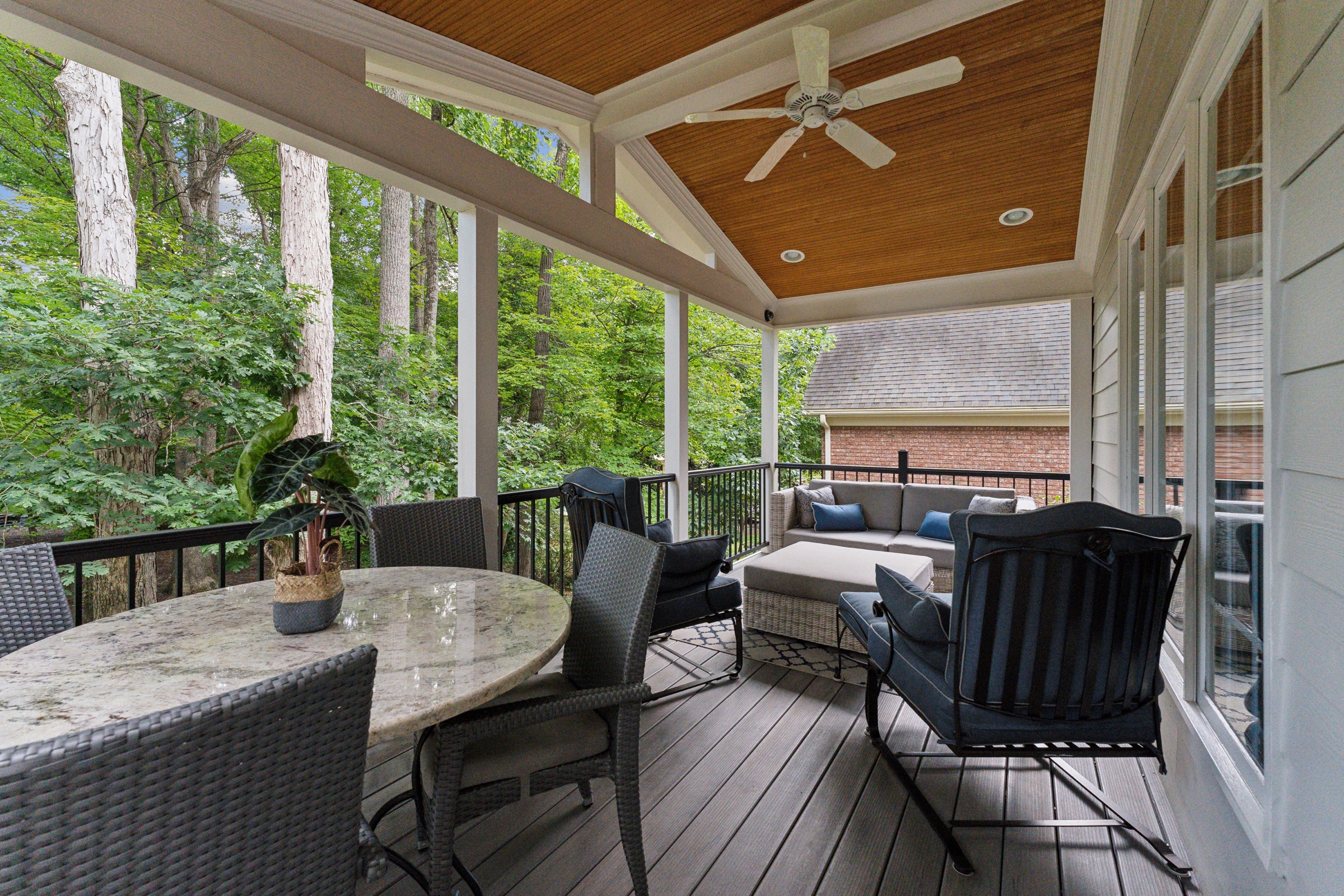
Before we search, we define what matters.
A home search can become overwhelming very quickly, especially when every property asks you to compromise on something different.
Before we start looking at houses, I want to understand how you actually want to live.
Where do you need to be? What does your day-to-day life look like? Which spaces matter most? What are you willing to change? What can't you change? And which compromises would you regret six months after moving in?
We also talk about timing, budget, financing and the market you're entering.
The goal isn't to create an impossible wish list.
It's to understand your priorities well enough that when the right opportunity appears, you recognize it.
A good home search starts with clarity, not listings.
A thoughtful strategy from search to closing.
We begin with your priorities, budget, timing and the way you want to live. This gives us a framework for evaluating homes rather than reacting to each new listing.
We make sure you understand financing, cash requirements, the North Carolina buying process and the decisions you'll face when it's time to make an offer.
We look at homes and communities with intention. As we tour, we refine what matters, compare options and pay attention to what the market is teaching us.
When a home becomes a serious possibility, we look beyond finishes and first impressions. We consider condition, location, resale, competition, comparable sales and the compromises the property may require.
If you decide to make an offer, we build a strategy around the entire proposal, not simply the purchase price.
From due diligence and inspections through appraisal, financing and closing, I help you understand the information we're receiving and the decisions that need to be made.
Finding Home
After you've toured several homes, details begin to blur.
Was that the house with the great kitchen but small backyard? Which neighborhood had the walking trail? Did the primary bedroom have enough closet space? What did we think about the HOA? And which home simply felt better when you walked through it?
I want your home search to be more thoughtful than scrolling through photos and trying to remember which house had what.
That's why I created Finding Home, a guided home-tour experience designed to help my buyers slow down, compare properties thoughtfully, and keep track of what matters along the way.
As we tour, we're not simply asking:
“Do you like this house?”
We're asking:
“Does this home support the way you want to live?”
What we're paying attention to
Layout, condition, natural light, storage, functionality and how the spaces actually work for you.
Lot, privacy, outdoor space, orientation, maintenance and anything that may affect how you use the home.
Location, commute, amenities, HOA considerations and the things you'll interact with long after moving day.
Price, taxes, HOA expenses, potential improvements and how the property fits within your overall budget.
Sometimes the things that matter most don't appear on an MLS sheet. We make room for those observations too.
The goal isn't to see more homes. It's to understand the homes you see.
A home can photograph beautifully and still be the wrong purchase.
When we find a property you love, my job isn't to convince you to buy it.
It's to help you evaluate it.
We look at what we know, what we don't know yet, and what may deserve a closer look.
That can include the home's condition and age, renovations, disclosures, HOA information, lot and location, comparable sales, future resale considerations and the competition we're facing.
There may also be things that don't necessarily make a home “bad,” but could make it wrong for you.
I want you excited about the home. I also want you informed about the decision.
An offer is more than a purchase price.
When you find the home you want, the conversation changes.
Now we're deciding not only what you're willing to pay, but how you want to structure the offer and how much risk you're comfortable taking.
In North Carolina, several terms can materially affect both the strength of an offer and your financial exposure.
We look at the entire proposal.
What does the market tell us about the property, what competition may exist, and what is the home worth to you?
How much due diligence money are you comfortable putting at risk, and how might the amount affect the strength of your offer?
How does the earnest money deposit fit into the overall structure of the offer?
How much time do we need to investigate the property while still creating terms that are competitive for the seller?
Loan type, down payment, lender strength and financing timelines can all affect the offer and the transaction.
Closing date, seller-paid expenses, personal property and other terms can matter differently depending on the seller's priorities.
The strongest offer isn't always the highest offer. And the right offer isn't always the most aggressive one.
My job is to help you understand the tradeoffs so you can decide which terms make sense for you.
Due diligence is where we learn.
The due diligence period gives you an opportunity to learn more about the property and the transaction and determine whether the information we uncover changes how you feel about moving forward.
Depending on the property, that may include inspections, repair estimates, surveys, HOA documents, title matters, insurance considerations and other professional evaluations.
My role is to help you understand what information we're receiving, determine what deserves additional investigation, and keep track of the decisions and deadlines that matter.
An inspection report isn't a pass-or-fail test.
Homes have issues. Even new homes can have issues.
The question is what those findings mean for this home, at this price, for you.
When something significant is discovered, we'll talk about the options available under the contract and decide how you want to proceed.
Good information helps you make a better decision.
From contract to closing.
Once we've worked through due diligence, there is still plenty happening behind the scenes.
Your lender may be completing underwriting and appraisal. The closing attorney is working through title and preparing for settlement. We may be monitoring agreed-upon repairs, reviewing documents, coordinating the final walkthrough and keeping an eye on important deadlines.
I stay involved through the process so you know what is happening, what comes next, and what I need from you.
Closing day should feel like the completion of a well-managed process, not a finish line we stumbled across.
“Michelle was absolutely incredible to work with! She found us our new place and we couldn’t be happier here. She listened to our needs and was able to deliver in a competitive market. It is clear Michelle’s clients are a priority to her. Added bonus, she was positive, professional, and organized which made the experience all the more enjoyable. I highly recommend Michelle!!”
Buyer Questions, Answered
Do I need a buyer's agent to buy a home in North Carolina?
You are not required to use the listing agent to purchase a home, and many buyers choose to have their own real estate agent representing their interests.
A buyer's agent can help you understand the market, evaluate properties, structure an offer, navigate due diligence and inspections, monitor deadlines, coordinate with the professionals involved in the transaction, and negotiate on your behalf.
Just as importantly, your agent should help you understand the decisions you're making rather than simply move you through the transaction.
Read: What Should I Look for When Choosing a Buyer's Agent in Raleigh? →When should I talk with a lender?
Earlier than many buyers think.
You don't necessarily need to be ready to make an offer tomorrow, but understanding your financing early can help you establish a realistic price range, compare loan options, understand anticipated cash requirements and identify anything that should be addressed before you begin seriously shopping.
If you're planning a purchase months from now, a conversation with a good lender can still be useful.
Being financially prepared doesn't mean you have to be ready to buy. It means you'll be ready when the right opportunity appears.
How do I know how much to offer on a home?
There isn't a formula that works for every property.
We'll look at comparable sales, current competition, condition, location, days on market, price changes and what we know about buyer activity.
Then we consider something equally important: what the home is worth to you.
Market data helps us understand the property. Your budget, priorities and comfort with the terms help determine the offer.
What is the due diligence fee in North Carolina?
The due diligence fee is a negotiated amount, if any, that a buyer may agree to pay the seller under the commonly used North Carolina Offer to Purchase and Contract.
It is associated with the buyer's right to conduct due diligence during the negotiated due diligence period and, under the standard contract, is generally nonrefundable once paid, subject to the terms and exceptions contained in the contract. If the transaction closes, the fee is credited to the buyer at closing.
Because that money can be at risk, I want my buyers to understand the amount they're considering, what it means financially, and how it fits into the overall strength and risk of the offer before we submit it.
What is earnest money?
Earnest money is a separate negotiated deposit that may be included with an offer. Unlike the due diligence fee, earnest money is generally held in escrow rather than paid directly to the seller.
Under the commonly used North Carolina contract, what happens to earnest money can depend on when and why a contract terminates and on the terms of the contract itself. For example, a buyer who properly terminates during the due diligence period will typically be entitled to the return of the earnest money deposit while generally forfeiting the due diligence fee.
Before we make an offer, we'll talk through both deposits, how they work together, and the amount of money you could have at risk so you can decide what terms you're comfortable proposing.
What happens during the due diligence period?
This is the period when we continue investigating the property.
Depending on the home and your circumstances, that may include inspections, repair estimates, reviewing disclosures and HOA information, investigating insurance considerations, completing lender requirements and working with the closing attorney.
It's also a period with important contractual deadlines.
I'll help you keep track of what needs to happen and help you understand the information we receive so you can make informed decisions.
Should I waive a home inspection to make my offer stronger?
I would be very careful about treating inspections simply as a bargaining tool.
An inspection provides information about the property you're considering purchasing. Giving up the opportunity to obtain that information can create risk.
If we're in a competitive situation, we'll discuss the available strategies, the property itself, the terms of the offer and the risks involved.
My job isn't to tell you how much risk you should take. It's to make sure you understand the risk you're choosing to take.
What if I'm buying and selling at the same time?
Then timing and strategy become particularly important.
We need to understand your financing, whether you need proceeds from your current home to purchase the next one, how much flexibility you have with timing, and what the market looks like on both sides of the move.
There are several ways a buy-and-sell transition can be structured, but the right approach depends on your financial position, your tolerance for risk and the markets you're entering.
The earlier we begin planning, the more options we usually have.
How much money will I need beyond my down payment?
Your down payment is only one part of the cash needed to purchase a home.
Depending on your transaction, you may also need funds for due diligence, earnest money, inspections, appraisal, closing costs, prepaid expenses and other transaction-related costs.
Your lender and closing attorney will provide the specific financial figures associated with your purchase, but we'll talk about these categories early so they don't come as a surprise later.
When should I contact a buyer's agent?
Before you feel like you “need” one.
You don't have to wait until you've found a house online that you want to see.
Starting earlier gives us time to talk about your priorities, financing, timing, communities and the buying process before you're faced with a decision that needs to be made quickly.
You don't need to be ready to make an offer to start preparing to make a good one.
Thinking about buying a home?
You don't need to know exactly where you want to live or have every detail figured out before we talk.
We can start with what you're considering, your timing, your priorities and the questions you have about buying in Raleigh and the Triangle.
From there, I'll help you understand what I would recommend as the next step.
No pressure. Just a thoughtful conversation about what you're looking for and how to move forward with confidence.